Extended Wear Contact Lenses have become a popular solution for those seeking comfort and convenience in vision correction. According to the American Optometric Association, over 25 million Americans wear contact lenses, with a significant portion opting for extended wear options. These lenses allow for continuous use, offering users the flexibility to maintain their active lifestyles without the hassle of daily removal. Dr. Jane Smith, an industry expert and optometrist, states, “Extended Wear Contact Lenses provide a unique balance of convenience and hydration, essential for modern life.”
However, not all extended wear lenses are created equal. Comfort varies significantly among brands and types, making it essential for users to choose wisely. The market is filled with options, but only a few have been consistently praised for long-term wear. It's crucial to consider materials, moisture retention, and oxygen permeability when selecting a lens. Despite advancements, some users still report discomfort after prolonged use, highlighting the need for informed choices. The right extended wear lens can enhance vision while minimizing irritation, so careful selection based on individual needs is vital.
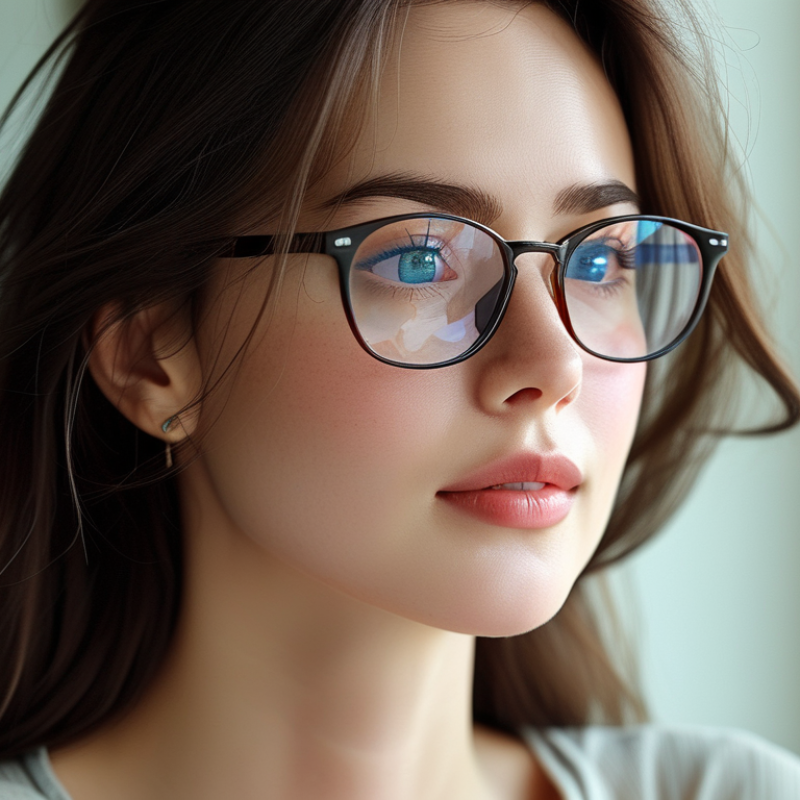
Extended wear contact lenses are designed for all-day and overnight use. These lenses offer a high level of convenience for people with busy lifestyles. Research from the American Academy of Optometry indicates that extended wear lenses can be worn continuously for a week or more, promoting comfort and flexibility.
The materials used in these lenses are crucial. Many extended wear lenses incorporate silicone hydrogel, which allows more oxygen to reach the eye. A study published in Optometry and Vision Science reported that increased oxygen flow helps reduce the risk of complications, such as dry eyes and redness. However, even with advancements, not every user finds extended wear comfortable. Some experience irritation or sensitivity. It’s vital to consult an eye care professional to find the right fit.
Maintaining hygiene is essential. Always wash your hands thoroughly before handling lenses. Regular cleaning and proper storage can minimize risks. If discomfort arises, consider switching to daily wear options temporarily. Monitoring eye health should be at the forefront of using extended wear lenses. Regular check-ups can help identify potential issues early. Prioritizing eye health enables enjoyment of the benefits these lenses provide.
Extended wear contact lenses have become popular for their convenience and comfort. These lenses allow for continuous wear without the need to remove them nightly. Key features significantly enhance comfort in these lenses. One major aspect is breathability. According to the Contact Lens Institute, lenses that offer high oxygen permeability can reduce dry eyes, a common complaint among users.
Another essential feature is moisture retention. Some extended wear lenses are made with special materials that keep the lenses hydrated. This prevents discomfort during long hours of wear. Data indicates that about 60% of users experience less irritation with lenses that feature advanced moisture technology.
For those considering extended wear lenses, staying informed helps. Ensure to consult with an eye care professional to find the right fit. Pay attention to lens care and replacement schedules. Changing lenses as recommended can prevent complications. Regular follow-ups with an eye care specialist are crucial. Managing your lens hygiene is equally important to ensure optimal eye health while enjoying the benefits of extended wear lenses. Observing these practices promotes a more comfortable and safer experience.
Extended wear contact lenses are designed for continuous use. They allow wearers to enjoy clear vision over extended periods. However, how well do they perform in terms of visual clarity?
Many users report successful experiences. They appreciate the convenience of wearing lenses overnight. Yet, comfort can vary. Some individuals may experience dryness or blurred vision. Environmental factors, such as humidity and air quality, can also impact comfort levels. It’s essential to pay attention to how your eyes feel during wear. Regular check-ups with an eye care professional can ensure that lens choice remains suitable over time.
Moreover, extended wear lenses may pose risks. Complications like infections or corneal issues need consideration. It’s crucial to be aware of signs indicating discomfort. If irritation occurs, it’s wise to stop wearing them immediately. Users should not ignore these warning signs, as long-term effects can be alarming. Keeping a balanced approach enhances the experience of extended wear, leading to clearer vision with minimal discomfort.
Extended wear contact lenses offer convenience but come with health considerations for long-term use. The American Optometric Association highlights that around 83% of contact lens wearers experience discomfort over time. This discomfort often results from inadequate oxygen transmission to the cornea. Extended wear lenses can exacerbate this issue.
Research indicates that 20% of wearers will develop complications over a year. Issues like dryness, redness, and infections are prevalent. A study found that 3.5 million people in the U.S. were affected by contact lens-related infections. Regular eye exams and proper hygiene practices are essential to mitigate risks.
Users should reflect on their habits. Extended wear doesn’t mean forgetfulness. Improper cleaning can lead to serious eye conditions. Even optimal lenses can be misused. Awareness of signs like persistent irritation is vital. Regular consultations with eye care professionals can help adjust wearing schedules and ensure eye health remains a priority.
| Lens Type | Material | Water Content (%) | Oxygen Transmission (Dk/t) | Wearing Schedule (Days) | Comfort Rating (1-5) | Vision Clarity Rating (1-5) |
|---|---|---|---|---|---|---|
| Silicone Hydrogel | Silicone Hydrogel | 40 | 150 | 30 | 4.5 | 5 |
| Hydrogel | Hydrogel | 58 | 100 | 7 | 4 | 4.5 |
| Scleral | Rigid Gas Permeable | N/A | 170 | 30 | 5 | 5 |
| Daily Disposable | Hydrogel | 42 | 120 | 1 | 4.2 | 4 |
When selecting the best extended wear contact lenses, comfort and vision are paramount. Extended wear lenses are designed for continuous use, often up to 30 days. According to the American Academy of Ophthalmology, these lenses have improved significantly in recent years. They feature advanced materials that allow more oxygen to reach the cornea, enhancing comfort and eye health.
Many manufacturers are now using silicone hydrogel materials. These materials combine flexibility and oxygen permeability, allowing for extended wear without compromising on comfort. Studies show that wearers report lower dryness and irritation levels with silicone hydrogel lenses. However, not all brands achieve the same comfort levels. Users may find that some lenses feel better than others, leading to a need for personal trial.
Additionally, the duration of wear can affect clarity. Research indicates that lenses worn continuously may develop deposits over time, sometimes impacting vision. While many users enjoy the convenience, regular check-ups with an eye care professional are essential. Users should regularly assess how their lenses feel and perform to ensure ongoing eye health. Finding the right lens type often involves a bit of trial and error, highlighting the importance of personalized experiences in eye care.
: Extended wear lenses are designed for continuous use, allowing wear for days without nightly removal.
They feature breathability and moisture retention, reducing dryness and irritation during long wear.
Many experience discomfort due to inadequate oxygen transmission, making regular eye care important.
It's crucial to follow lens replacement schedules to prevent complications and ensure eye health.
Persistent irritation is a sign to consult an eye care professional for guidance and adjustments.
No, comfort varies by brand and material; personal trials help identify the best fit for you.
No, proper cleaning and hygiene are vital to avoiding serious eye conditions, even with optimal lenses.
Dryness, redness, and infections are common issues reported by extended wear lens users.
Regular eye exams and adherence to hygiene practices minimize risks associated with extended wear.
Yes, continuous wear may lead to deposits, impacting vision; regular evaluations can address this issue.
Extended Wear Contact Lenses are designed for continuous use over extended periods, providing convenience and comfort for users. These lenses feature specialized materials that allow for enhanced oxygen permeability, which is crucial for eye health during prolonged wear. Key factors that contribute to their comfort include moisture retention and a smooth surface, reducing irritation and dryness.
In terms of visual clarity, Extended Wear Contact Lenses are engineered to maintain sharpness and stability of vision, even after long hours of use. However, health considerations must be taken into account; regular check-ups and proper hygiene are vital to prevent potential complications associated with long-term use. Overall, Extended Wear Contact Lenses can be an excellent option for those seeking both comfort and clarity in their vision.

Dewylenses