When people open a contact lens kit, they often expect everything needed for clear, comfortable wear. Yet contents can differ by brand, lens type, and intended use. A typical Contact Lens Kits package may include prescribed lenses, a storage case, cleaning solution, and printed care instructions. Some kits add a mirror, tweezers, or a lens applicator. These accessories may look convenient, but they cannot replace professional fitting or hygienic handling. The box should also show important details, including lens power, expiration date, batch information, and wearing guidance. Small print matters here.
A reliable kit supports more than convenience. It should help users identify each item and protect lenses from contamination. Eye-care professionals commonly emphasize clean, dry hands, fresh solution, and regular case replacement. Water is not a safe substitute for approved lens solution. Nor is saliva. A sealed package, intact blister, and clear labeling offer useful quality indicators. However, appearance alone cannot confirm safety. I have found that shoppers sometimes focus on colorful accessories and overlook compatibility with prescribed lenses. That is an easy mistake to make. Kits are not identical. Readers should check manufacturer instructions and consult an optometrist or ophthalmologist when details seem unclear. This guide examines common kit contents, explains why each component matters, and highlights omissions requiring attention. It also acknowledges a practical limitation: packaging may change, while individual eye needs remain personal.
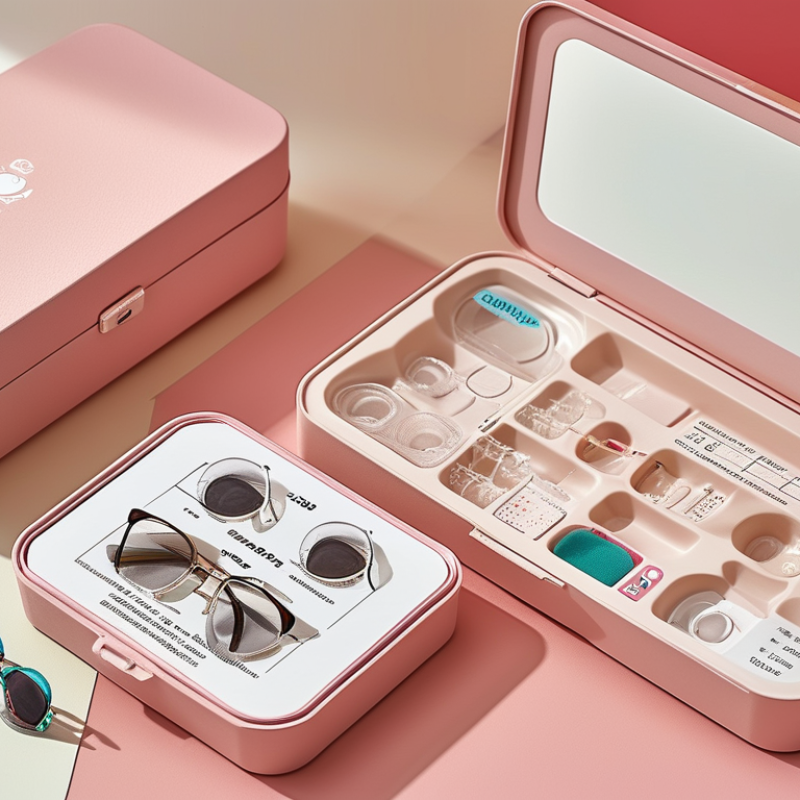
Contact Lens Kit Basics: FDA-Classified Medical Devices and Core Components
What Is Included in Contact Lens Kits?
Contact lens kits usually combine several items for wearing, cleaning, and storing lenses. The main component is the contact lens itself. In the United States, contact lenses are FDA-regulated medical devices and usually require professional fitting or a valid prescription. Some kits may also include sterile saline, multipurpose solution, a lens case, and printed instructions. However, contents vary by kit.
A lens case protects lenses between uses, but it is not permanently sterile. Solution helps remove deposits and reduce contamination when used as directed. Never replace recommended solution with tap water, saliva, or homemade mixtures. Those choices can introduce harmful microorganisms. A kit may include tweezers or an applicator, although these tools are not essential for everyone. Check whether each item is sealed, labeled, and within its expiration date.
Tips: Wash and dry your hands before touching lenses. Read the instructions carefully, even if the routine feels familiar. Replace the case according to professional guidance, and discard damaged or uncomfortable lenses. A kit that looks complete may still be unsuitable for your eyes. Contact an eye-care professional when redness, pain, blurred vision, or unusual discharge appears. I should add one caution: product packaging can seem authoritative, but FDA classification does not guarantee that every kit suits every wearer.
What Is Included in Contact Lens Kits?
Contact Lens Kit Basics: FDA-Classified Medical Devices and Core Components
A basic reusable-lens care kit commonly contains a pair of contact lenses, one lens case,
one bottle of approved care solution, and user instructions or labeling. The quantities shown
are a practical example rather than a universal regulatory requirement. Contact lenses are
FDA-classified medical devices, and kit contents can vary according to the prescribed lens
type and care system.
Safety note: Follow the eye-care professional’s instructions and the product labeling. Use fresh
solution as directed, never top off old solution, and replace the lens case regularly.
Lens Storage Essentials: A Two-Compartment Case and Sterile Saline Solution
What Is Included in Contact Lens Kits?
A contact lens kit often includes a two-compartment case and sterile saline solution. The case keeps the right and left lenses separate, reducing mix-ups and possible contamination. Each compartment should be clearly marked, then filled with fresh solution whenever lenses are stored. Never “top off” old liquid. That shortcut seems harmless, but it weakens hygiene.
Sterile saline can rinse lenses in situations approved by an eye-care professional, but it does not disinfect most contact lenses. It cannot replace the recommended multipurpose or peroxide-based care system. Read the solution label carefully, and follow the fitting professional’s instructions. Wash and dry your hands before touching the case or lenses. Keep the case open and air-dry it after use, rather than sealing moisture inside.
Small details matter.
The case should be replaced on the schedule advised by your clinician or its instructions. Many professionals suggest changing it every one to three months. Do not use tap water on lenses or inside the case, because water may carry microorganisms. I used to think storage was passive, but it is an active part of lens safety. The routine is simple, yet people can still miss one step after a long day. If a lens feels painful, looks damaged, or causes unusual redness, remove it and seek professional advice promptly.
Cleaning and Disinfection: Multipurpose Solutions and FDA-Approved Directions
What Is Included in Contact Lens Kits?
Contact lens kits often include a lens case, solution, and basic handling instructions. Some kits also contain a mirror, tweezers, or travel-size containers. The cleaning liquid matters most. A multipurpose solution can usually clean, rinse, disinfect, and store soft contact lenses when used exactly as directed.
Wash and dry your hands before touching the lenses. Place one lens in your palm, add enough fresh solution, and gently rub it for the time stated on the FDA-regulated label. Rinse it with solution, then fill the case with new solution. Never reuse yesterday’s liquid. Do not “top off” old solution.
Follow the labeled soaking time. Shortening it may leave harmful microorganisms behind. Water, saliva, and homemade mixtures are unsafe substitutes. They can introduce organisms that cause serious eye infections. Keep the case closed while the lenses disinfect. Replace the case according to professional advice or the product directions, and let it air-dry between uses.
It is easy to rush this routine, especially before work or travel. That is where mistakes happen. Even careful wearers may forget a final rinse or use an old case.
A better habit is simple: read the FDA-approved directions every time you change solutions, and ask an eye-care professional when the instructions seem unclear. Stop wearing lenses if you notice pain, unusual redness, light sensitivity, or blurred vision.
Application Tools: Lens Holders, Mirrors, and Hygienic Handling Accessories
Contact lens kits often include more than lenses and a storage case. Application tools can make daily handling cleaner, steadier, and less stressful. A lens holder helps users lift a soft lens without squeezing it between fingernails. Its smooth, rounded surface should be easy to rinse and inspect. I used to think this tool was optional. It can be useful for beginners, people with long nails, or anyone with limited finger control.
A compact mirror provides a clear view during application and removal. Good lighting matters too, especially when a lens folds or sticks to a fingertip. Some mirrors have a stable base, while others fit inside a travel case. Place the mirror on a clean, dry surface. Avoid applying lenses over sinks when possible. A dropped lens can disappear quickly. It may also contact contaminated surfaces.
Hygienic accessories can include tweezers designed for lens handling, lint-free tissues, and small cleaning tools. These items should never replace handwashing. Wash and dry hands thoroughly before touching the lens. Do not use sharp household tweezers or improvised tools. They can damage the lens or scratch the eye. After each use, rinse reusable holders according to the care instructions, then let them air-dry fully. Inspect every tool for cracks, residue, or rough edges. Replace damaged accessories promptly. I sometimes forget the mirror itself needs cleaning. That small oversight can undermine an otherwise careful routine.
Case Replacement: Follow the CDC Recommendation to Replace It Every 3 Months
What Is Included in Contact Lens Kits?
A contact lens kit usually includes a storage case, multipurpose disinfecting solution, and care instructions. Some kits also contain a lens applicator or travel container. The case is small, but it directly touches the solution and lenses. It therefore deserves more attention than many wearers give it.
Replace the case every three months, following the CDC recommendation. The CDC’s 2016 MMWR report found that 99% of surveyed contact lens wearers reported at least one risky hygiene behavior. Reusing an old case can support microbial buildup, even when it looks clean. Mark the replacement date on a bathroom calendar. Wash and dry your hands before handling lenses. Empty the case after use, rinse it with fresh solution, and let it air-dry upside down. Never rinse it with tap water. Never “top off” old solution.
Three months is not a magic shield. Replace the case sooner if it is cracked, cloudy, sticky, or contaminated. The U.S. Food and Drug Administration also advises regular case replacement and careful disinfection. In practice, convenience often wins over caution. That is the part worth questioning. A new case costs little, yet a neglected one can undermine an otherwise careful routine. Keep the case away from sinks, towels, and open cosmetic containers. Contact lens kits are useful, but safe habits make each item work properly.
What Is Included in Contact Lens Kits? - Case Replacement: Follow the CDC Recommendation to Replace It Every 3 Months
| Kit Component or Care Item |
Typical Contents or Purpose |
Recommended Use |
Replacement or Disposal Guidance |
Key Hygiene Reminder |
| Contact Lenses |
Prescription lenses designed for daily wear, extended wear, or scheduled replacement. |
Follow the wearing and replacement schedule provided by an eye-care professional. |
Discard lenses according to their prescribed replacement schedule and never wear damaged lenses. |
Wash and dry hands before handling lenses. |
| Lens Case |
A case with separate compartments for the right and left lenses. |
Store lenses in fresh recommended disinfecting solution after removal. |
Replace at least every 3 months, following CDC guidance, or sooner if the case is damaged or contaminated. |
Empty the case after use, rinse it with fresh contact-lens solution, wipe with a clean tissue, and allow it to air-dry. |
| Multipurpose Solution |
A solution used for cleaning, rinsing, disinfecting, and storing compatible contact lenses. |
Use only as directed on the product label or by an eye-care professional. |
Observe the bottle’s discard-after-opening period and expiration date. Do not use expired solution. |
Never “top off” old solution; use fresh solution each time the case is filled. |
| Saline Solution |
Sterile rinsing solution for products that specifically permit saline use. |
Use for rinsing only when appropriate; saline does not disinfect contact lenses. |
Discard according to the label and never use homemade saline or tap water. |
Keep the bottle tip from touching fingers, lenses, or other surfaces. |
| Cleaning or Rubbing Guidance |
Instructions for manually rubbing and rinsing lenses when required by the care system. |
Rub and rinse lenses for the time stated in the solution instructions. |
Follow the solution instructions each time lenses are cleaned, unless an eye-care professional advises otherwise. |
Do not use saliva, tap water, or household cleaning products on lenses. |
| Storage and Travel Pouch |
A clean pouch for carrying the lens case and solution during travel. |
Keep supplies protected from dirt, heat, and direct sunlight. |
Clean or replace the pouch when visibly dirty, wet, or damaged. |
Keep the pouch dry and avoid storing an enclosed case while it is wet. |
| Replacement Reminder |
A calendar note or reminder for lens-case maintenance. |
Record the date a new case is opened. |
Set a replacement reminder for every 3 months. |
Replace the case immediately if it develops cracks, residue, odor, or visible contamination. |
Safety note: Contact-lens care requirements vary by lens type and solution. Follow the instructions from your eye-care professional and the solution label. Seek professional eye care promptly if you experience eye pain, unusual redness, light sensitivity, discharge, or blurred vision.
Conclusion
Contact Lens Kits are designed to support the safe storage, cleaning, disinfection, and application of contact lenses. Because contact lenses are FDA-classified medical devices, a kit should include essential components such as a two-compartment lens case and sterile saline solution for rinsing or storage when appropriate. Many kits also contain a multipurpose solution intended to clean, rinse, disinfect, and store lenses, but users should always follow the FDA-approved directions on the product label and any instructions from an eye-care professional.
For easier and more hygienic handling, some Contact Lens Kits may include practical accessories such as lens holders, mirrors, or other tools that help reduce direct contact with the lenses. Clean hands and careful handling remain important before every use. The lens case should also be maintained properly and replaced regularly. Following CDC guidance, replacing the case at least every three months can help reduce contamination and support healthier contact lens habits.

 Dewylenses