Explore our premium range of CE certified soft contact lenses engineered with advanced HEMA formulations for sports, active lifestyle, and cosmetic enhancement.
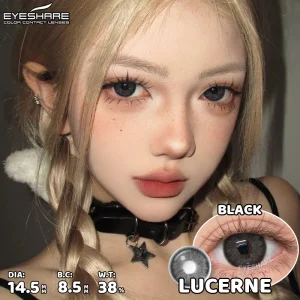
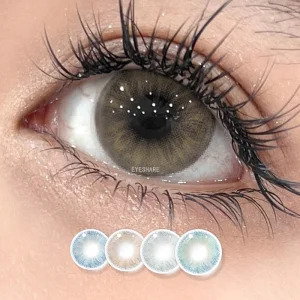
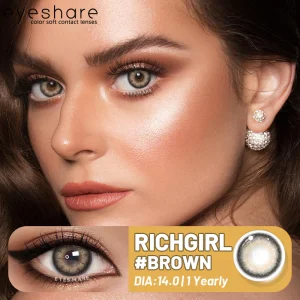
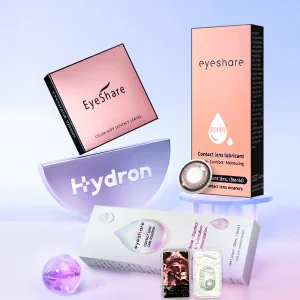
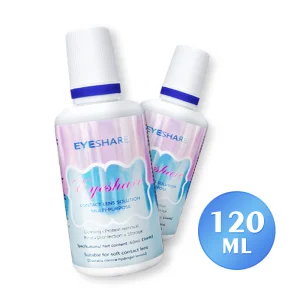
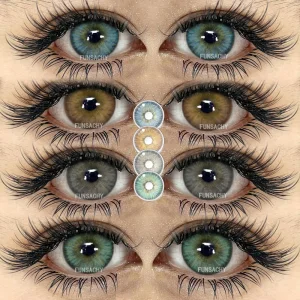

Established in 1996, Guangzhou Dewy Lenses Co., Ltd. is a leading high-tech enterprise integrating product design, research, and large-scale production of premium soft contact lenses and care products.
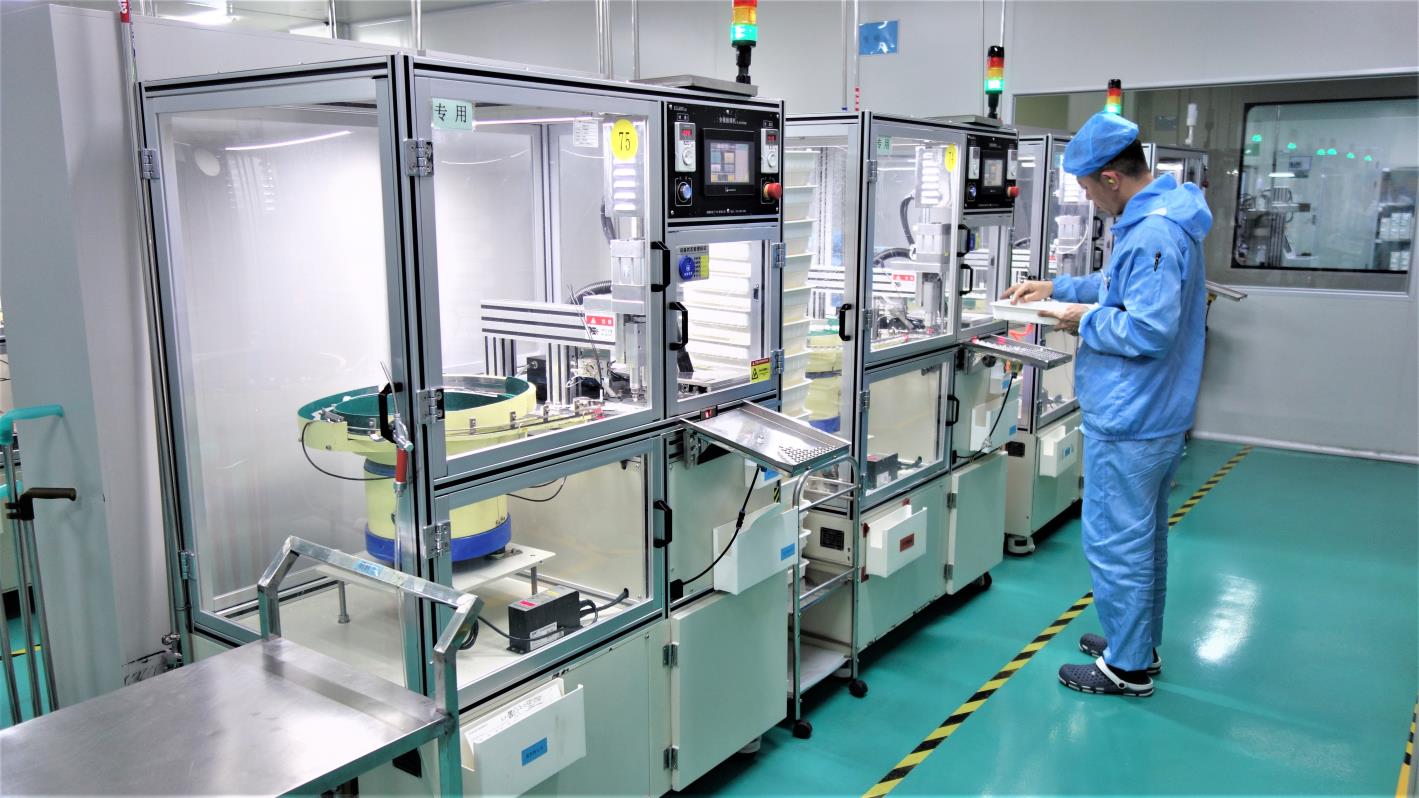
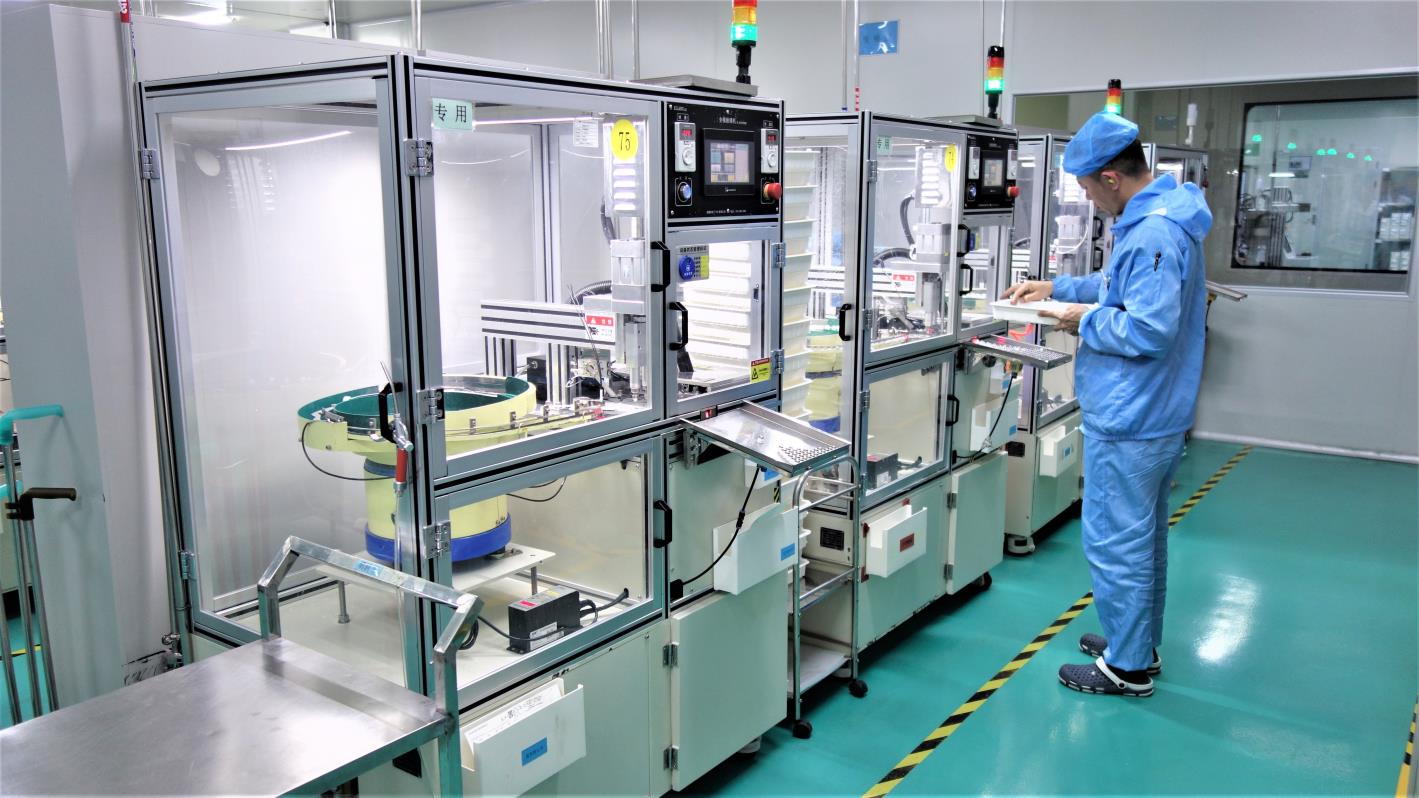
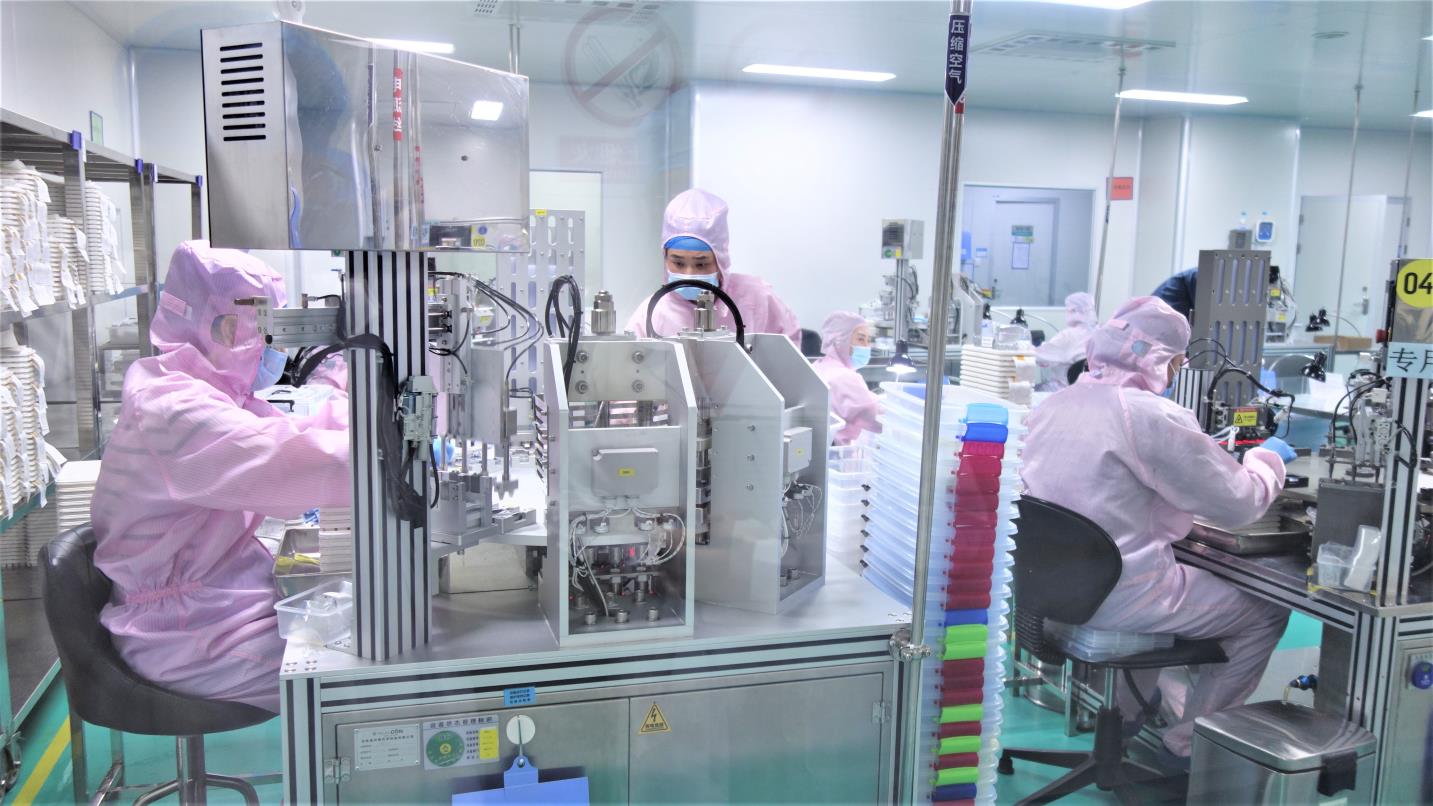
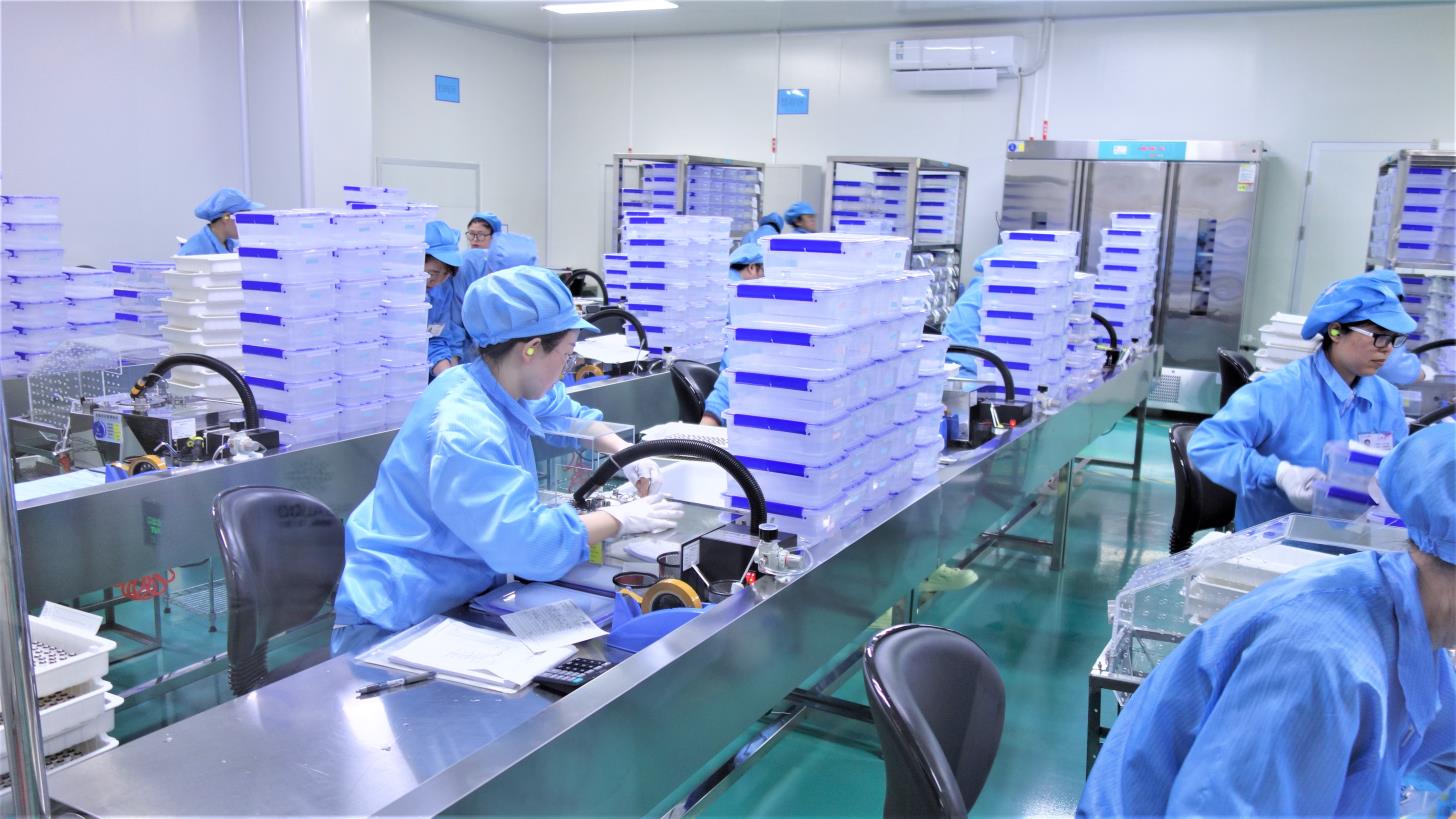
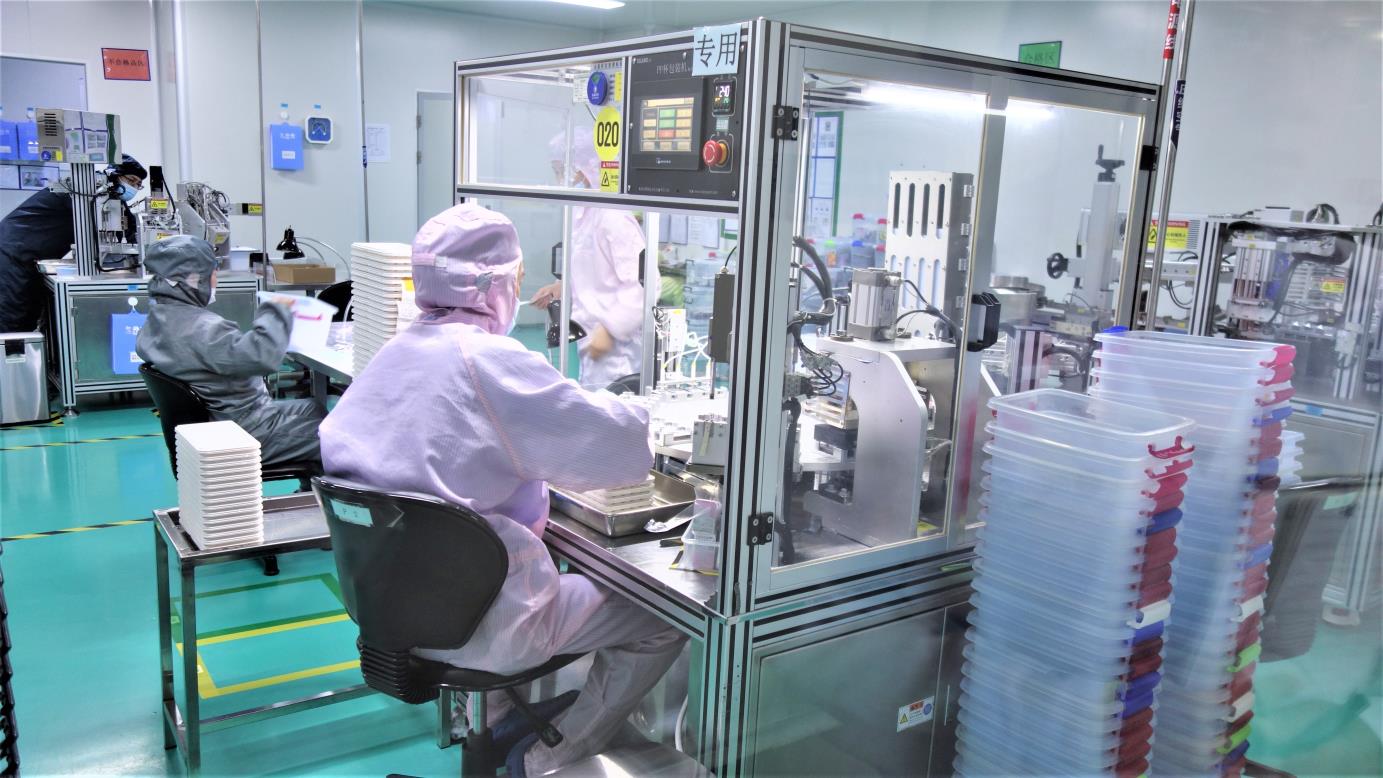
As a national high-tech enterprise, we coordinate top-tier optical design, biomaterials research, and cleanroom automation. Our commitment to excellence ensures every single lens conforms strictly to the CE Directive for Medical Devices, satisfying the rigid physical, mechanical, and physiological safety benchmarks necessary for athletic performance. We operate fully automated CNC production lines utilizing advanced semi-molding processes to deliver yearly, half-yearly, and daily disposable lenses.
An in-depth analysis of visual stability, mechanical polymer strength, and ocular health under strenuous physical activity.
Athletic performance demands visual precision that standard contact lenses cannot guarantee. Sports contact lenses require unique physical parameters. Standard hydrogel materials are susceptible to structural deformation under high wind speeds, rapid blink rates, or rapid deceleration (such as in sprinting, cycling, or tennis). Guangzhou Dewy Lenses Co., Ltd. utilizes custom-engineered hydrophilic HEMA (2-Hydroxyethyl methacrylate) polymers and Silicone Hydrogel composites designed with a optimized modulus of elasticity (0.4 to 0.7 MPa). This parameter ensures that the lens maintains its target sagittal depth and base curve radius, preserving refractive stability even when the athlete's gaze shifts abruptly.
By balancing water content (nominally 38% for high durability/extended wear and 58% for high natural oxygen flux) and edge configuration, our lenses feature a non-tapered, round-edge design. This configuration promotes continuous tear exchange under the lens matrix and resists centration failure, preventing lens loss or shifting during extreme motions.
One of our primary OEM solutions for specialized sports contact lenses involves Contrast-Enhancement Tinting Technology. Unlike lifestyle cosmetic lenses, sports contact lenses integrate precise chromophore distributions into the polymer matrix. These tints filter specific wavelengths of light to heighten environmental contrasts:
| Sport Segment | Target Tint Specification | Optical & Physiological Rationale |
|---|---|---|
| Golf, Tennis, Base Running | Amber / Green-Enhancing Tint | Suppresses blue light wavelengths to improve resolution of the ball against green grass or clear sky backgrounds. |
| Cycling, Distance Running | Rose / Copper Filters | Enhances depth perception and shadows on uneven trail terrains, improving navigation reaction times. |
| Snow & Water Sports | Polarized / High-Density UV-A & UV-B block | Suppresses specular reflections and water glare. Provides class-1 UV block (99% UV-B, 90% UV-A). |
Sports environments are frequently hostile to the ocular surface, presenting dry wind, dust, sweat, and varying ambient relative humidity. Regular soft contact lenses can rapidly lose water, leading to corneal drying and micro-abrasions. Our formulation incorporates crosslinked copolymer structures containing N-Vinyl Pyrrolidone (NVP), which establishes strong hydrogen bonding with water molecules. This significantly delays lens dehydration, maintaining comfort and a constant refractive index during long-distance endurance events.
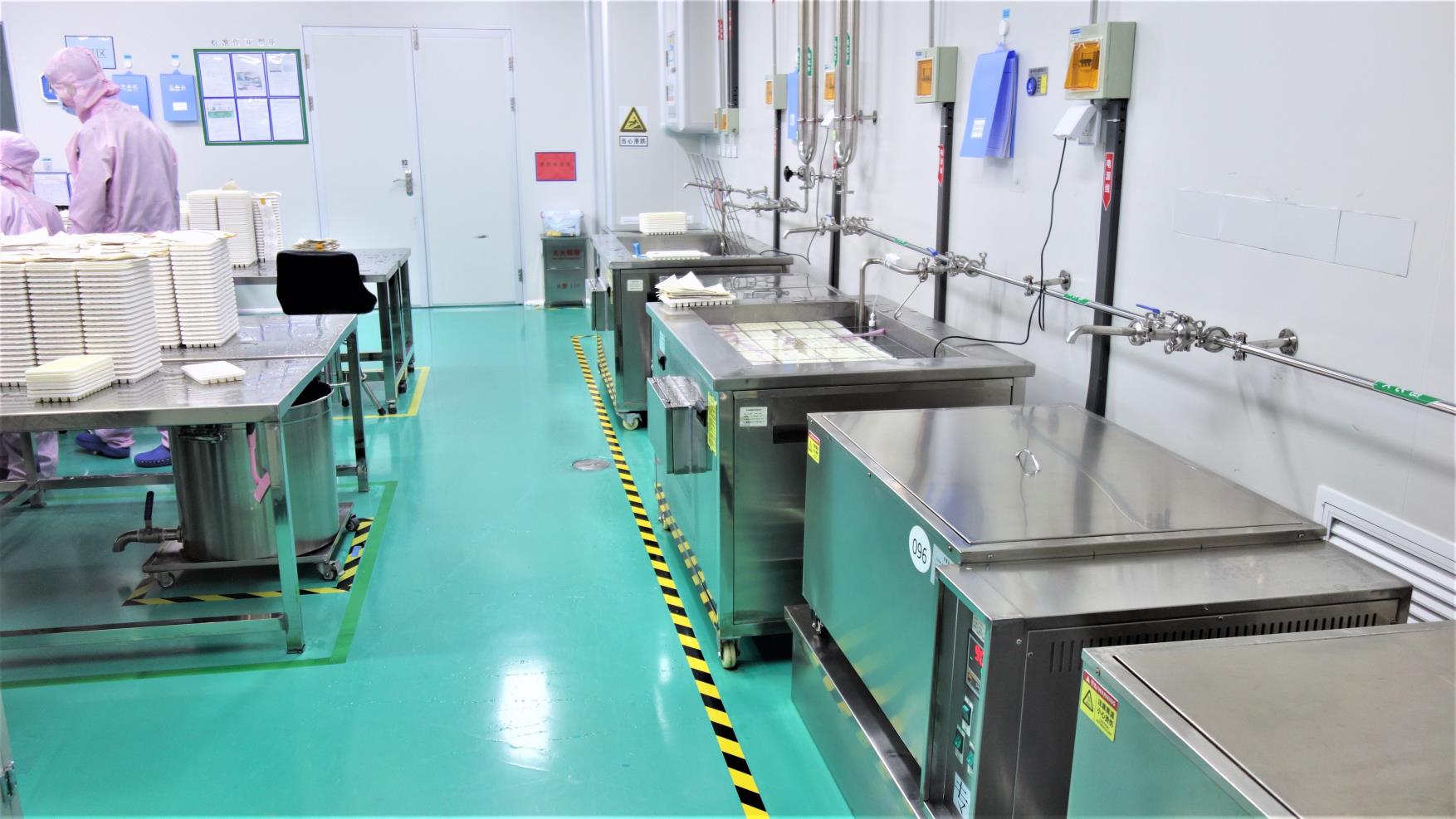
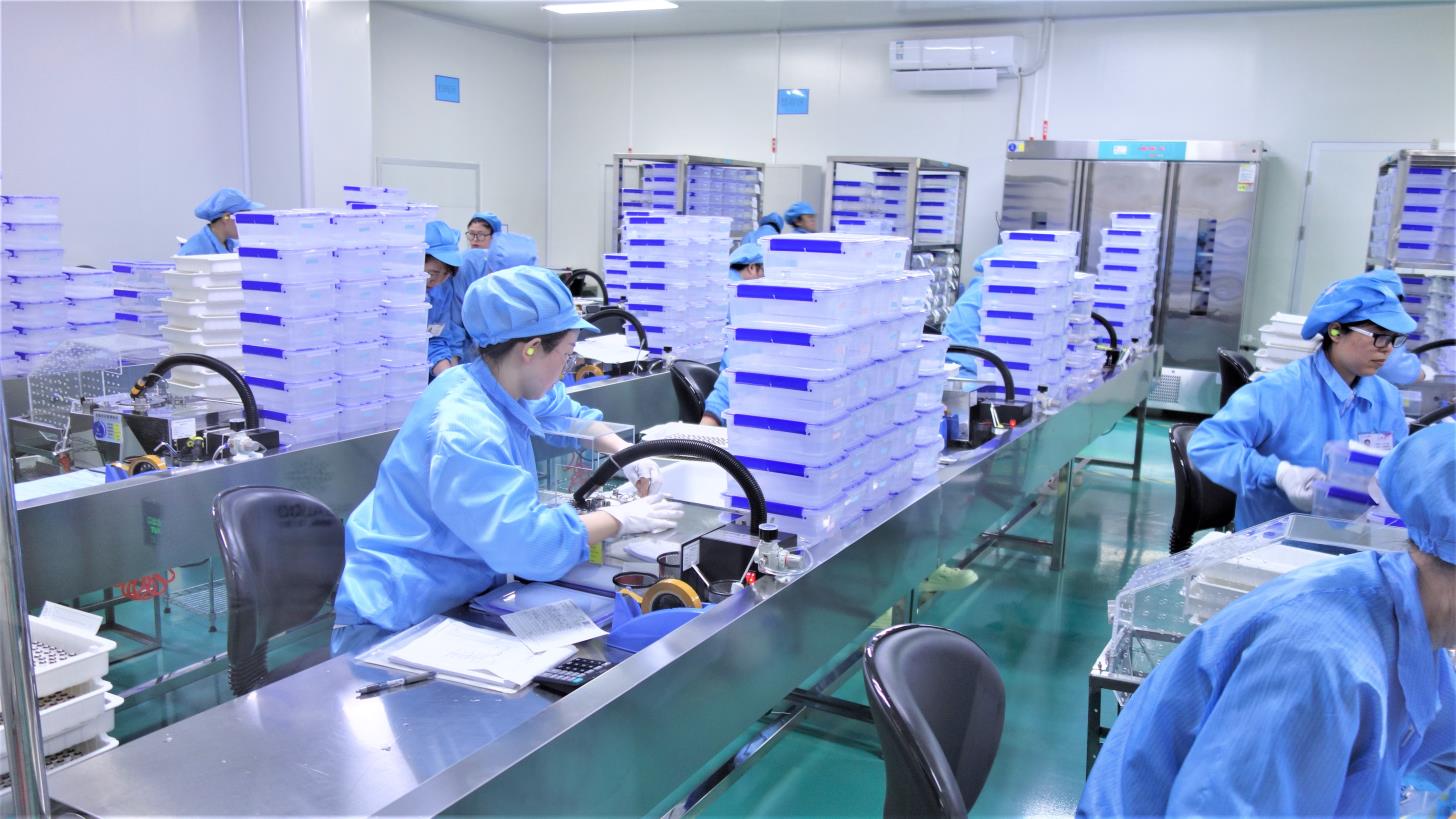
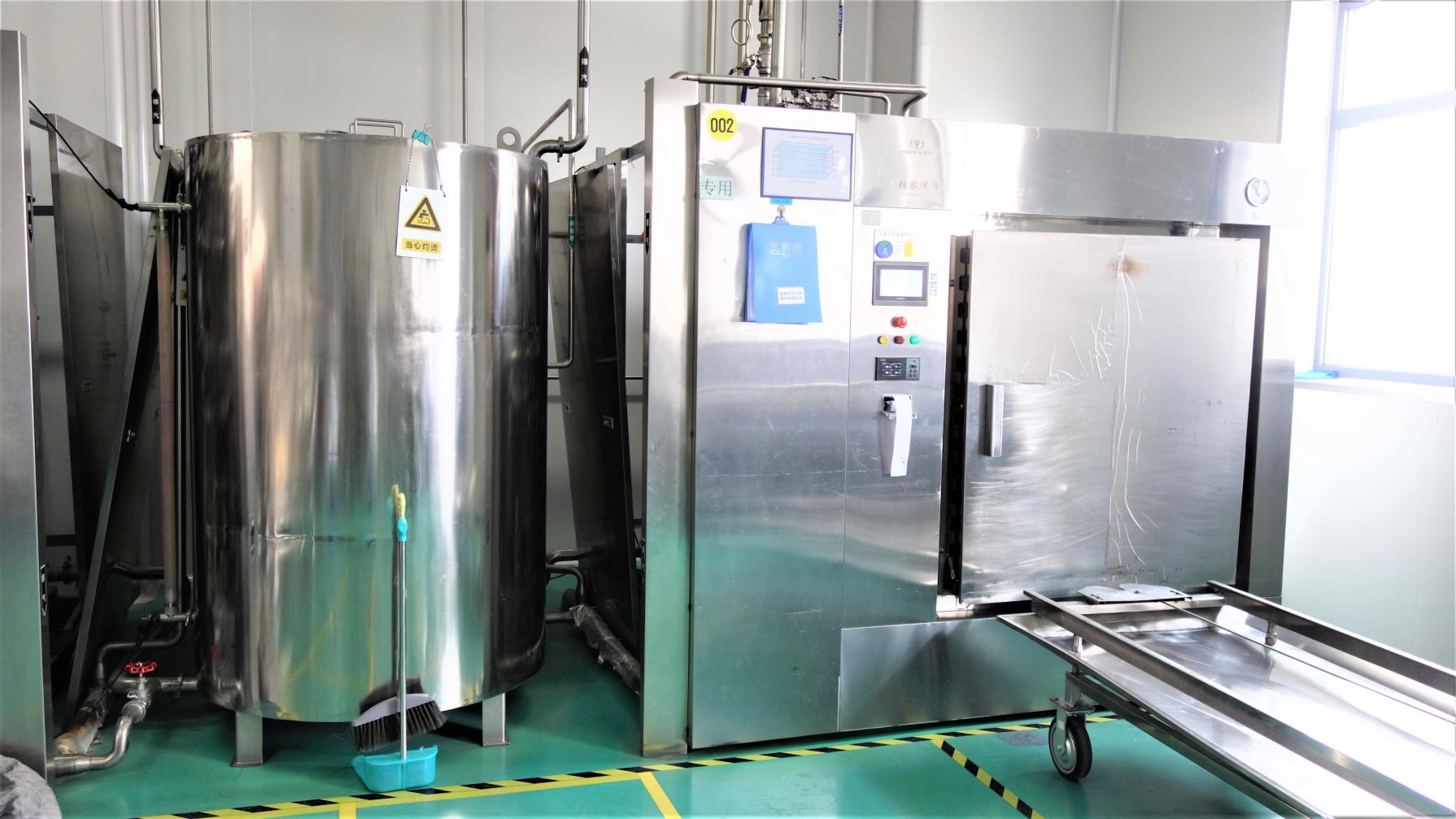
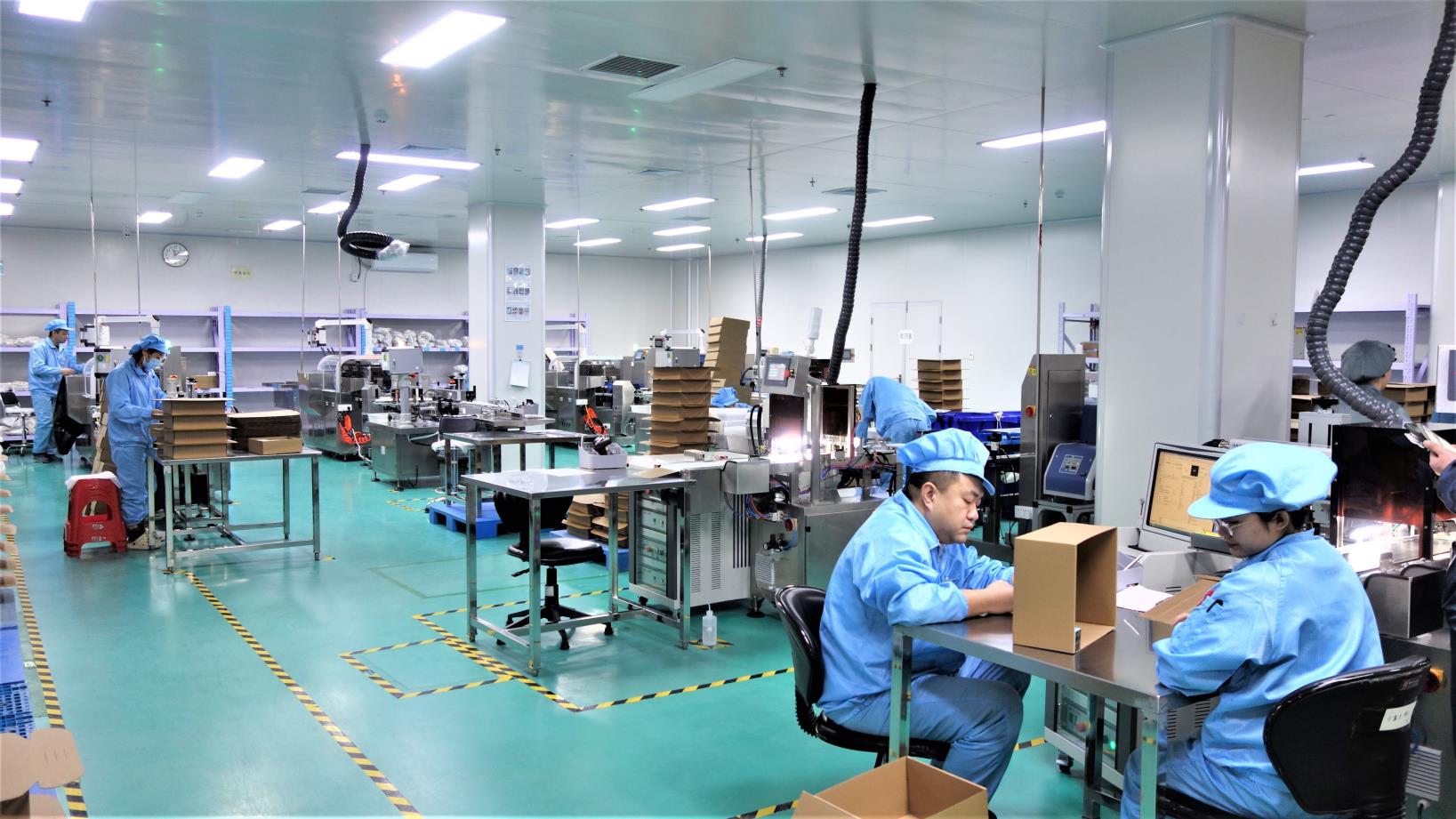
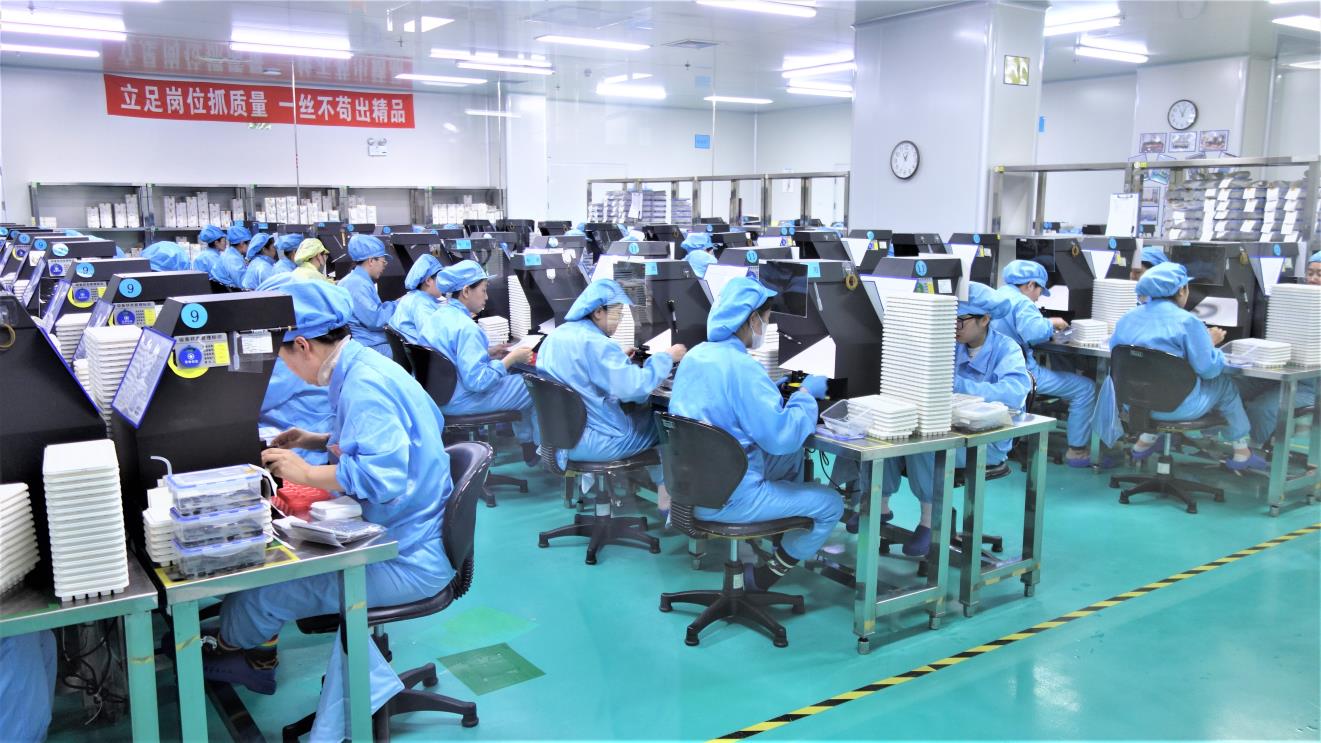
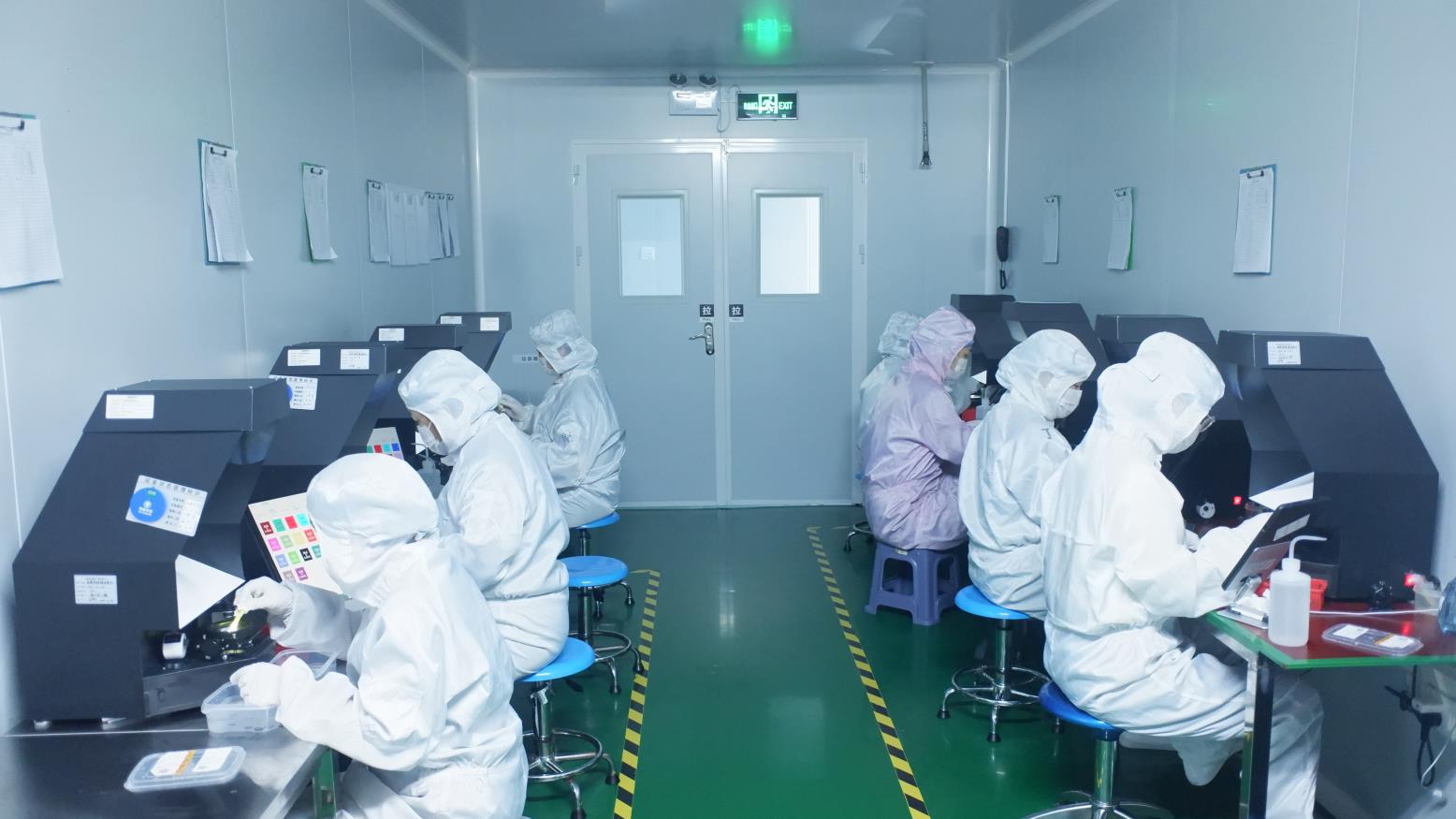
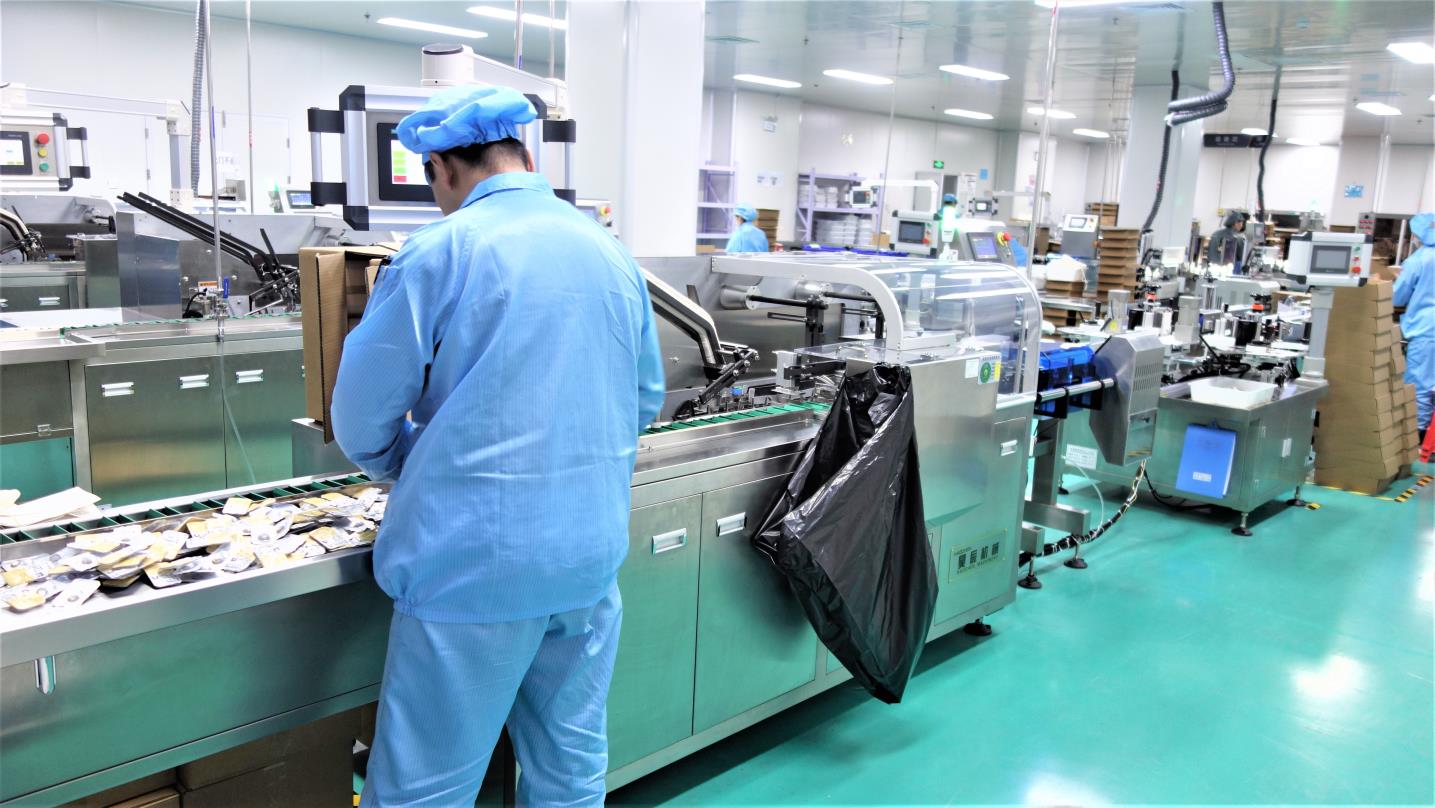
Our ISO 13485 facility utilizes advanced semi-molding processes and computerized CNC machining to ensure 100% uniformity across production runs.
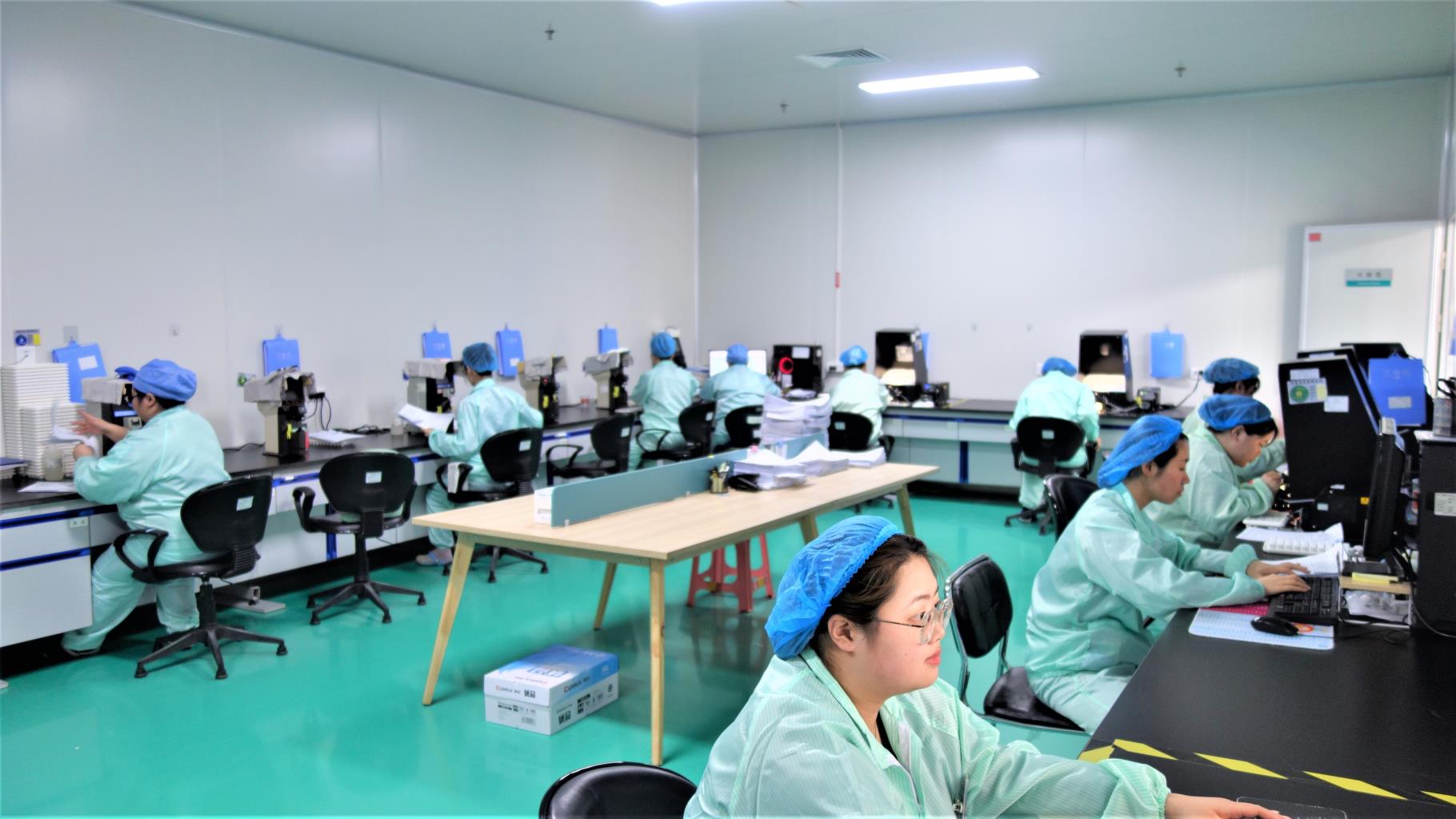
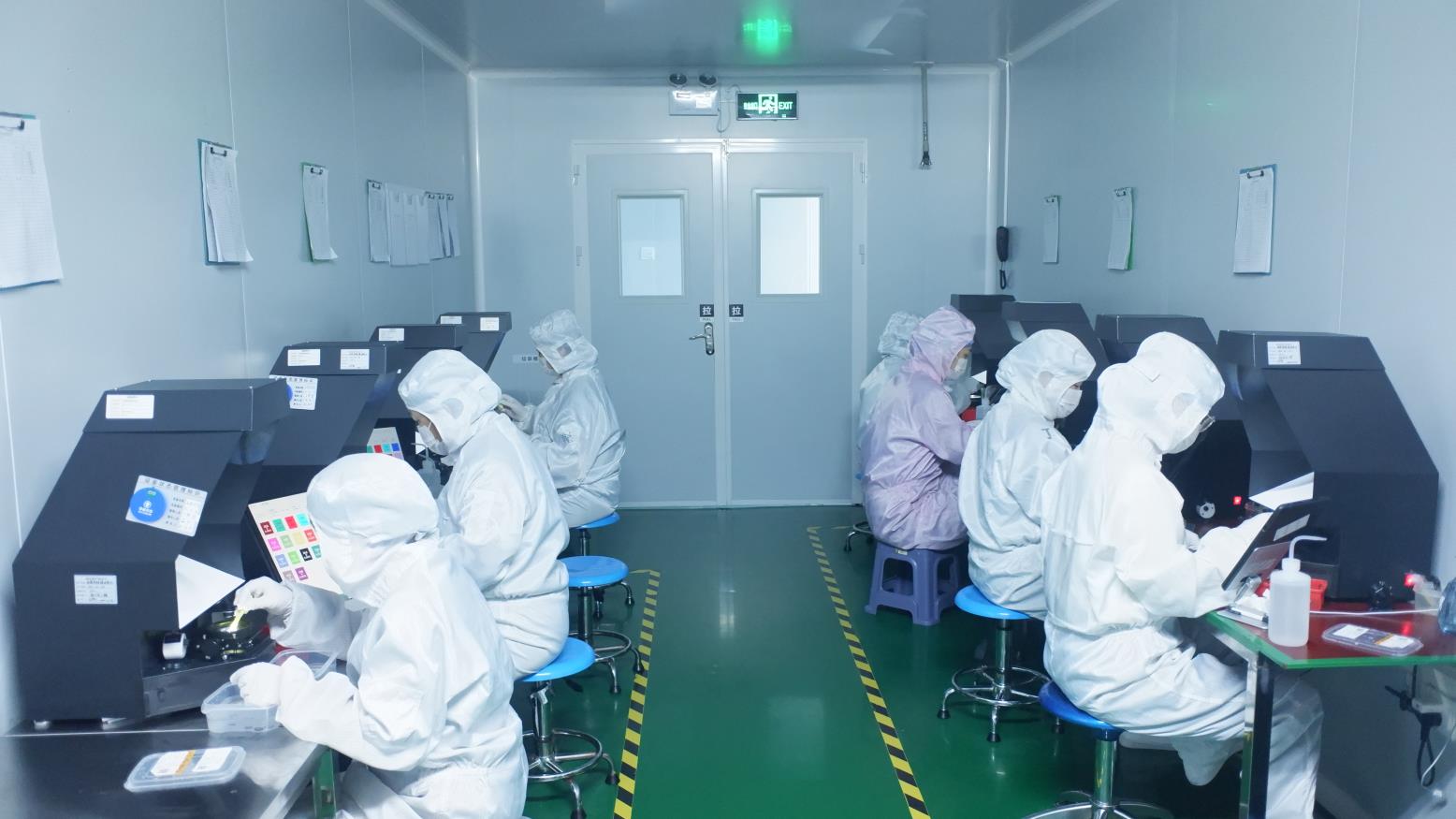
How we address the regulatory, logistics, and private-label customization needs of medical distributors and eyewear brands.
We provide comprehensive packaging solutions, customized baseline parameters (base curve, diameter, power range), and branding tailored to your local market regulations.
Exporting medical devices requires thorough certification. Dewy Lenses maintains complete compliance documents, technical files, and clinical trial records.
Our Factory 4.0 infrastructure mitigates the risks of sudden global demand shifts. Our automated processes ensure consistent high-capacity output.
Previewing the upcoming integration of active biosensors, smart tint transitions, and next-generation silicone hydrogel materials.
Future sports contact lenses will move away from fixed optical tints towards active photochromic compounds. Our R&D division is current evaluating molecules that react dynamically to UV light intensity. In outdoor conditions, these lenses transition to a glare-reducing smoke color within seconds and return to clear optics indoors. This eliminates the need for athletes to change eyewear as weather or ambient light conditions shift.
“The integration of dynamic photochromics directly into the HEMA-based matrix represents a significant shift in optical performance. This development allows athletes to maintain optical clarity throughout changing environments without swapping lenses.”
Next-generation contact lenses will serve as non-invasive platforms for physiological monitoring. By embedding micro-sensors into the peripheral zone of the soft lens (outside the visual path), we can monitor biomarkers in the tear film. Our engineering roadmap includes research into real-time tracking of:
While standard silicone hydrogel provides excellent oxygen transmissibility, it can occasionally feel stiff compared to HEMA lenses. Our upcoming product lines feature a new low-modulus formulation that offers high oxygen permeability (Dk/t exceeding 100) alongside the soft comfort of traditional HEMA materials. This balances athletic performance requirements with all-day comfort.
Navigating the complex regulatory requirements of international medical markets.
As a global exporter, Guangzhou Dewy Lenses Co., Ltd. supports distributors through regulatory compliance hurdles. Our dedicated QA/RA department handles registration, certification, and technical documentation required by various international authorities, including the EU CE mark, FDA clearance, PMDA approvals, and local ministry requirements.
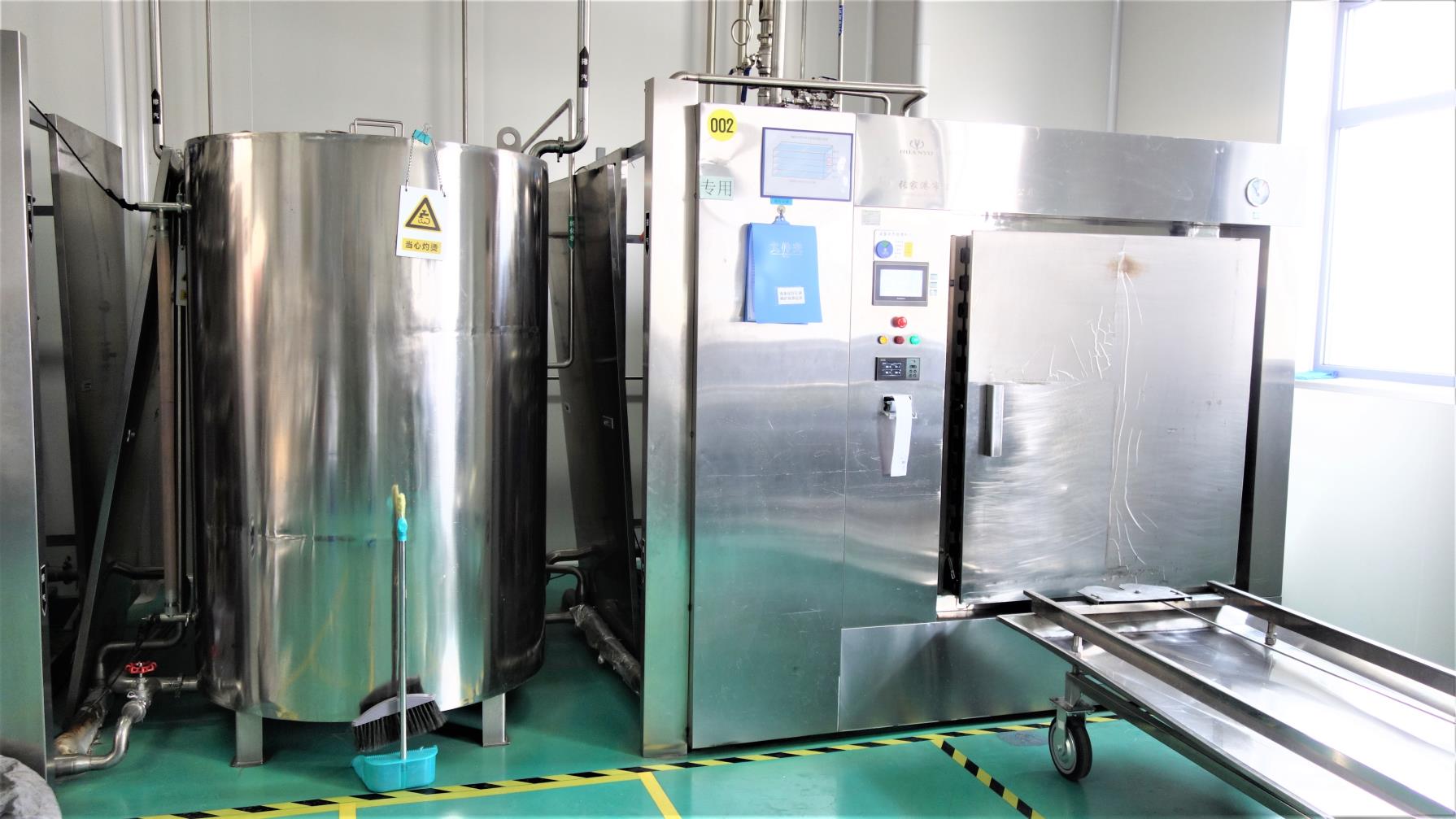
We supply sterilized products that meet ISO 11137 benchmarks, with validation files proving sterilization efficacy (SAL 10-6). Additionally, we provide Certificate of Analysis (CoA) records, biocompatibility testing reports (sensitization, cytotoxicity, and irritation testing under ISO 10993), and real-time stability study data to facilitate smooth customs clearance.
Answers to common inquiries regarding engineering specifications, certification details, and OEM/ODM options.
Guangzhou Dewy Lenses Co., Ltd. holds valid CE certifications conforming to the relevant Medical Devices Directive/Regulation requirements. We operate a registered ISO 13485 Quality Management System for medical device manufacturing, allowing our products to enter European Union states and other regions recognizing CE marks.
HEMA provides excellent pigment integration properties, allowing for safe, multi-tone color applications (like sandwich-print technology) without direct exposure of the inks to the cornea. It also maintains a low modulus, offering immediate comfort upon insertion.
Equipped with fully automatic production lines, we handle volume scales up to millions of pieces monthly. Our OEM/ODM MOQs start from 1,000 to 5,000 pieces per SKU depending on custom printing complexity, color configurations, and packaging specifications.
Our lenses undergo moist heat sterilization inside their final sealed blisters/vials in computer-controlled autoclaves at 121°C. Accelerated stability testing and real-time aging studies verify that the barrier properties of our packaging materials maintain sterility and performance for up to five years.
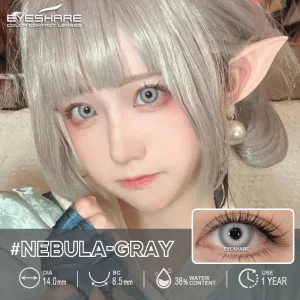
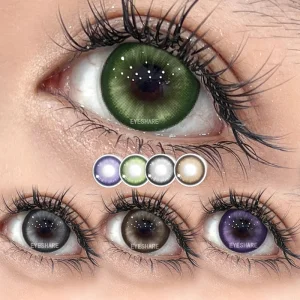
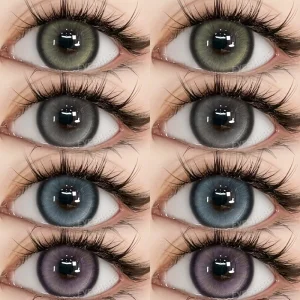
Further options in color lenses, replacement frequencies, care solutions, and custom packaging boxes.
 Dewylenses